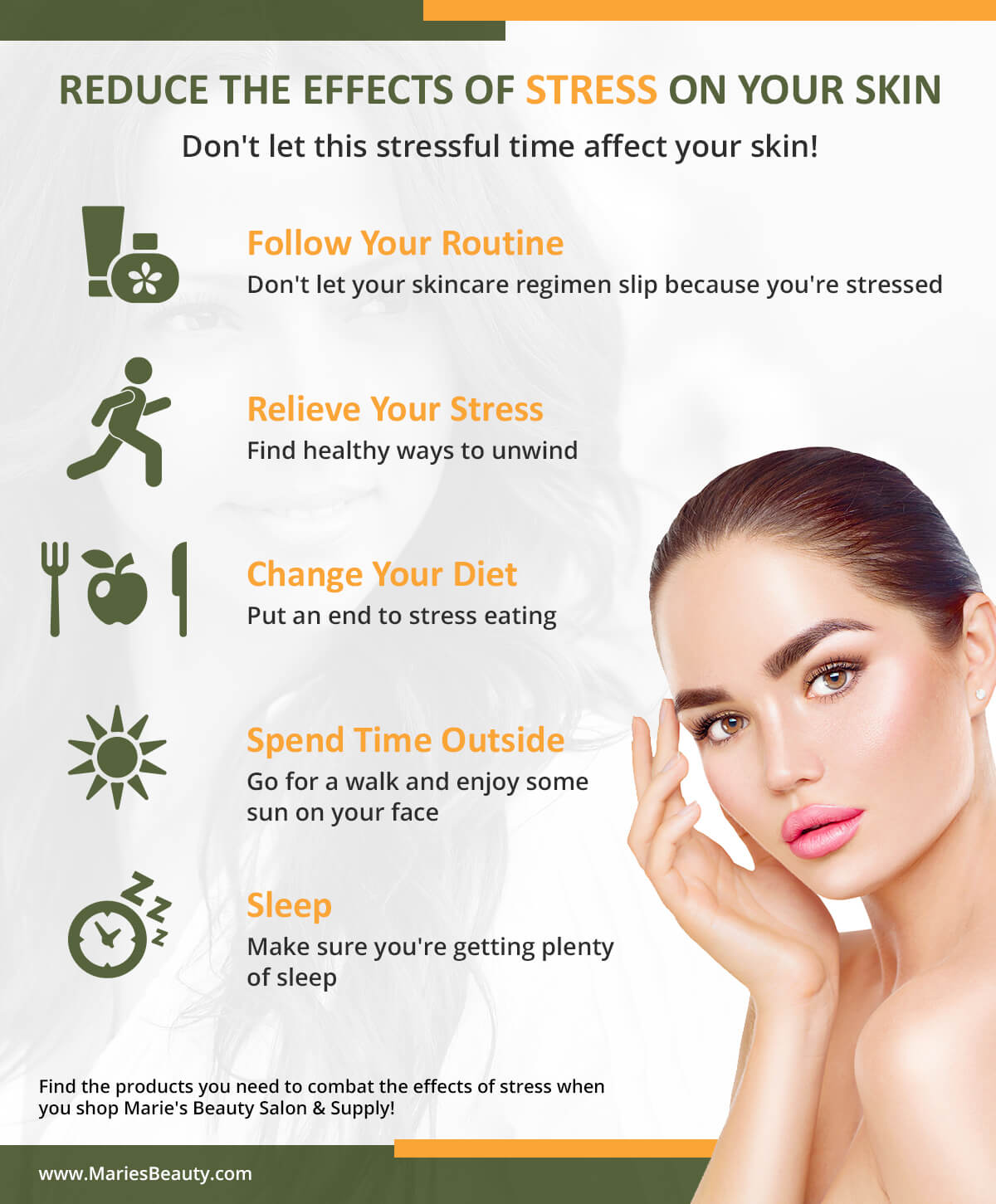
Understanding how stress impacts your skin and care routine is crucial for maintaining healthy, radiant skin. Stress isn’t just a mental challenge; it directly affects your complexion, often manifesting as breakouts, dryness, or increased sensitivity. However, you can effectively combat these negative effects by establishing a consistent skincare regimen and incorporating calming ingredients such as chamomile or lavender into your products. This approach helps soothe irritated skin and minimize the visible signs of stress.
You may also refer to 維生素C與豆漿:飲食組合的影響
- Understanding Stress & Your Skin
- Stress & Skincare Routine Changes
- Managing Stress: Skincare Solutions
- Stress, Skin, & Routine Changes
- How stress impacts your skin and care routine Conclusion
- How stress impacts your skin and care routine Quick FAQ
Understanding Stress & Your Skin
Stress, a ubiquitous part of modern life, significantly impacts your skin health in ways you might not immediately realize. When you experience stress, your body releases hormones like cortisol, which can disrupt your skin’s natural balance. This hormonal imbalance manifests in various ways, often leading to a cascade of skin problems. Understanding this connection is crucial to effectively managing your skin and overall well-being.
One common effect is an increase in breakouts. Cortisol can stimulate sebaceous glands, leading to excess oil production and clogged pores – a breeding ground for acne. Furthermore, stress can exacerbate existing skin conditions like eczema and psoriasis, causing inflammation and flare-ups. It’s not just about acne; dryness and increased sensitivity are also common complaints linked to chronic stress. Your skin’s protective barrier can weaken, making it more vulnerable to irritants and environmental factors.
To effectively address these issues, you need to comprehend the interplay between stress and skin. It’s not simply about applying topical treatments; it’s about adopting a holistic approach. This involves acknowledging the role stress plays in your skin’s condition and taking steps to manage your stress levels alongside implementing an effective skincare routine. This approach focuses on both internal and external solutions to achieve healthy, radiant skin.
- Increased oil production leading to acne.
- Inflammation and flare-ups of existing conditions (eczema, psoriasis).
- Weakened skin barrier, increased sensitivity, and dryness.
Stress & Skincare Routine Changes
Stress significantly impacts our skin, often necessitating adjustments to our skincare routines. When under pressure, the body releases hormones like cortisol, which can disrupt the skin’s natural balance. This disruption manifests in various ways, highlighting the importance of understanding how to adapt your skincare approach during stressful periods. Consistent skincare becomes even more crucial, and incorporating calming ingredients is key. Here’s how you might need to modify your routine:
- Increased Cleansing: Stress can lead to increased oil production and consequently, more breakouts. Gentle, yet thorough, cleansing twice daily, especially after sweating, may be necessary to prevent clogged pores. Avoid harsh cleansers which can further irritate already sensitive skin.
- Hydration Boost: Stress often causes dryness and dehydration. Increase your water intake and consider incorporating a hydrating serum or facial mist into your routine. Look for ingredients like hyaluronic acid, known for its ability to retain moisture and soothe stressed skin.
- Gentle Exfoliation: While exfoliation is important, reduce the frequency during times of high stress. Over-exfoliation can further damage and irritate already compromised skin. Opt for gentler methods like chemical exfoliants with low concentrations of AHA/BHAs or a soft facial brush.
- Calming Ingredients: Incorporate skincare products containing calming and soothing ingredients such as chamomile, lavender, aloe vera, or green tea. These ingredients help to reduce inflammation and redness often associated with stress-induced skin issues. Apply these calming products after cleansing and toning, as the last step of your night-time skincare routine.
- Sun Protection: Stress weakens the skin’s protective barrier, making it more susceptible to sun damage. Always use a broad-spectrum sunscreen with an SPF of 30 or higher, regardless of the weather. This is a non-negotiable step in any skincare routine, especially when stress levels are high.
Remember, these are just suggestions. Listen to your skin and adapt your routine as needed. If you notice significant changes or persistent skin problems, consult a dermatologist for personalized advice.
Managing Stress: Skincare Solutions
Beyond adjusting your skincare routine, directly managing stress is crucial for healthy skin. This involves incorporating calming techniques into your daily life. Remember, a holistic approach is key when dealing with stress-related skin issues. Stress management isn’t just about what you put on your skin, but also about what you do for your mind and body.
Here are some practical steps to consider:
- Mindfulness and Meditation: Even five minutes of daily mindfulness can significantly reduce stress hormones. Try focusing on your breath or a calming mantra to center yourself and promote relaxation, which directly impacts your skin’s health.
- Regular Exercise: Physical activity releases endorphins, which have mood-boosting effects. Find an activity you enjoy, whether it’s yoga, jogging, or dancing, to help manage stress levels and improve your overall well-being, resulting in clearer, healthier skin.
- Adequate Sleep: Aim for 7-9 hours of quality sleep each night. Sleep deprivation exacerbates stress and negatively impacts skin repair processes, leading to breakouts and dullness. Prioritizing sleep is essential for healthy skin and stress management.
- Healthy Diet: Nourishing your body with a balanced diet rich in fruits, vegetables, and antioxidants provides essential nutrients for healthy skin and helps manage stress levels from the inside out. Consider adding foods known for their calming properties, such as chamomile tea.
- Stress-Reducing Activities: Engage in activities you find relaxing and enjoyable. This could include spending time in nature, listening to calming music, reading a book, or practicing a hobby. Finding ways to de-stress will improve both your mood and your skin.
By implementing these strategies, you can create a supportive environment for your skin to thrive, even in the face of stress. Remember that consistency is key – these aren’t quick fixes, but rather long-term habits that contribute to both improved skin and overall well-being. Patience and self-compassion are important aspects of the journey to healthier skin and a less stressful life.
“`html
| Stress Management Technique | Description | Benefits for Skin |
|---|---|---|
| Mindfulness and Meditation | Even 5 minutes daily can reduce stress hormones. Focus on breath or a calming mantra. | Promotes relaxation, directly impacts skin health. |
| Regular Exercise | Physical activity releases endorphins, boosting mood. Find an enjoyable activity (yoga, jogging, dancing). | Manages stress levels, improves overall well-being, clearer healthier skin. |
| Adequate Sleep | Aim for 7-9 hours of quality sleep nightly. | Sleep deprivation exacerbates stress and negatively impacts skin repair, leading to breakouts and dullness. |
| Healthy Diet | Balanced diet rich in fruits, vegetables, and antioxidants. Consider calming foods like chamomile tea. | Provides essential nutrients for healthy skin, manages stress from within. |
| Stress-Reducing Activities | Engage in relaxing activities: time in nature, calming music, reading, hobbies. | Improves mood and skin health. |
| Note: Consistency and patience are key for long-term benefits. | ||
“`
Stress, Skin, & Routine Changes
Understanding how stress manifests on your skin is crucial to managing its impact. When stress levels rise, your body releases cortisol, a hormone that can disrupt the skin’s natural barrier function. This disruption can lead to a cascade of issues. Increased inflammation is a common consequence, potentially triggering breakouts, particularly in those prone to acne. Simultaneously, stress can also contribute to skin dryness and sensitivity, making your complexion feel tight, irritated, and more susceptible to environmental factors.
Therefore, adapting your skincare routine to accommodate these stress-related changes is vital. This doesn’t necessarily mean a complete overhaul; instead, focus on incorporating strategies that support your skin’s compromised barrier. Here are some key considerations:
- Gentle Cleansing: Opt for creamy, low-pH cleansers that won’t strip your skin’s natural oils, further exacerbating dryness.
- Hydration is Key: Layer on hydrating serums and moisturizers to replenish lost moisture. Look for ingredients like hyaluronic acid, known for its potent hydration capabilities.
- Calming Ingredients: Incorporate products featuring calming ingredients like chamomile, lavender, or aloe vera. These can soothe inflammation and reduce redness associated with stress-induced skin issues.
- Sun Protection: Stress can weaken your skin’s protective mechanisms, making it more vulnerable to sun damage. Make sure to use a broad-spectrum sunscreen daily, regardless of the weather.
Remember, consistency is key. Even small changes to your routine, especially during stressful periods, can make a significant difference in maintaining healthy, balanced skin.
How stress impacts your skin and care routine Conclusion
In understanding how stress impacts your skin and care routine, we’ve explored the intricate connection between mental well-being and skin health. Stress isn’t just a mental burden; it’s a physiological event that directly affects your complexion, potentially leading to breakouts, dryness, sensitivity, and inflammation. The key takeaway is that managing stress isn’t just about addressing symptoms on the surface; it’s about adopting a holistic approach encompassing both internal and external strategies.
We’ve discussed how adjusting your skincare routine—incorporating gentle cleansers, hydrating serums, calming ingredients like chamomile and lavender, and consistent sun protection—can significantly mitigate the negative effects of stress on your skin. Simultaneously, we’ve highlighted the importance of stress-management techniques like mindfulness, regular exercise, adequate sleep, and a healthy diet. These practices not only improve your overall well-being but also contribute to healthier, more radiant skin.
Remember, the journey to healthy skin is a marathon, not a sprint. It requires patience, self-compassion, and a commitment to consistent care, both internal and external. By understanding how stress impacts your skin and care routine and implementing the strategies discussed, you can build a foundation for clearer, healthier, and more resilient skin, even in the face of life’s inevitable stressors. If you continue to experience significant skin issues despite these efforts, seeking professional guidance from a dermatologist is recommended.
Ultimately, the goal is to achieve a balance – a harmony between your mental state and your skin’s health. By actively managing stress and tailoring your skincare routine accordingly, you can cultivate a healthier, more radiant complexion and a greater sense of overall well-being.
How stress impacts your skin and care routine Quick FAQ
How does stress actually cause breakouts and other skin problems?
When you’re stressed, your body releases hormones like cortisol. This hormone can disrupt your skin’s natural balance, leading to increased oil production (causing acne), inflammation (worsening conditions like eczema and psoriasis), and a weakened skin barrier (resulting in dryness and sensitivity). Essentially, stress throws your skin’s natural processes out of whack.
What specific skincare routine changes should I make when stressed?
During stressful periods, prioritize gentle cleansing to avoid further irritating your skin. Boost hydration with serums and moisturizers containing hyaluronic acid. Reduce the frequency of exfoliation to prevent damage. Incorporate calming ingredients like chamomile or lavender into your routine. And always, always wear sunscreen, as stress makes your skin more vulnerable to sun damage.
Besides skincare, what else can I do to improve my skin when I’m stressed?
Managing stress holistically is key. Incorporate mindfulness and meditation, regular exercise, adequate sleep, and a healthy diet into your routine. Engage in relaxing activities you enjoy to reduce stress levels. Remember, taking care of your mental and physical well-being directly benefits your skin’s health.