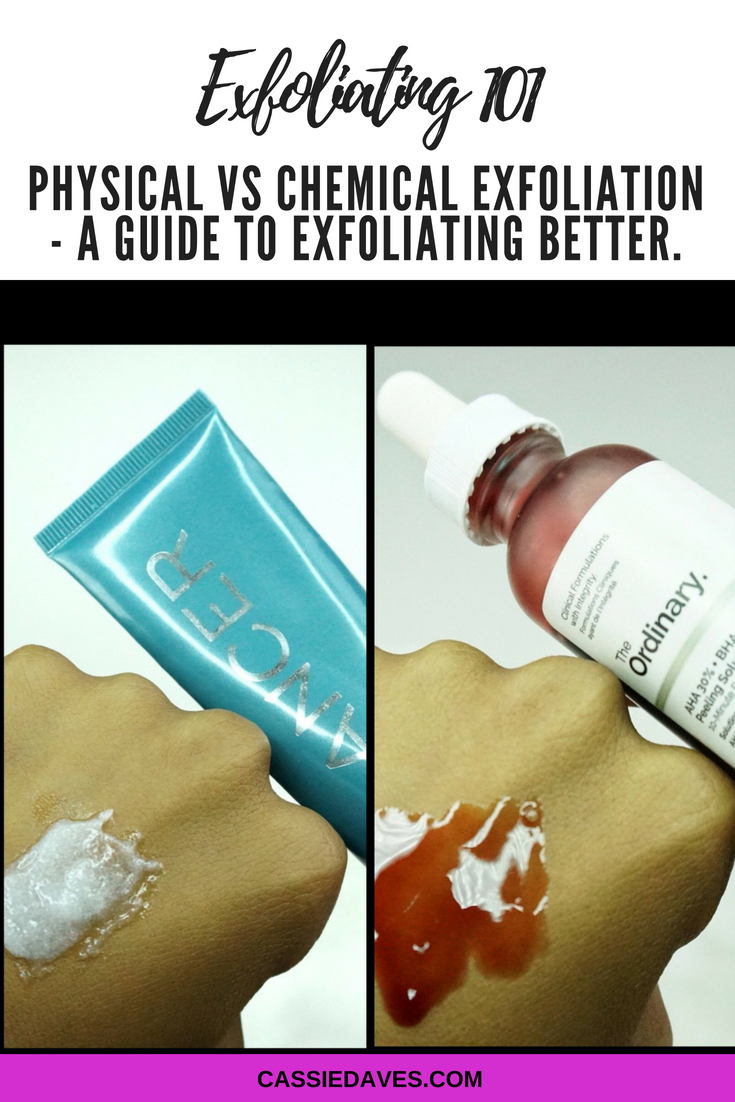
The key difference lies in their approach to removing dead skin cells. What is the difference between chemical and physical exfoliation? Chemical exfoliation uses chemical agents like AHAs and BHAs to dissolve dead skin cells, promoting deeper renewal. In contrast, physical exfoliation relies on manual scrubbing to remove these cells. The best choice depends on your skin’s sensitivity; for sensitive skin, the gentler chemical approach is often preferred, as physical methods can be too harsh.
You may also refer to 物理防曬跟化學防曬差在哪? 曬出好膚色,守護海洋生態的完整教學
- Chemical vs. Physical: Key Differences
- Understanding the Difference: Choosing the Right Exfoliation Method
- Chemical vs. Physical: A Closer Look
- Chemical vs. Physical: The Key Differences in Action
- What is the difference between chemical and physical exfoliation? Conclusion
- What is the difference between chemical and physical exfoliation? Quick FAQ
Chemical vs. Physical: Key Differences
Understanding the core distinctions between chemical and physical exfoliation is crucial for choosing the right method for your skin. This involves considering your skin’s sensitivity and desired results. Chemical exfoliation, using acids like AHAs (alpha-hydroxy acids) and BHAs (beta-hydroxy acids), works by dissolving the bonds between dead skin cells, promoting a more even skin tone and texture. This gentle process encourages cell turnover from within, making it ideal for sensitive skin that may react negatively to more abrasive techniques. In contrast, physical exfoliation involves manually removing dead skin cells using scrubs or tools. While this can feel immediately satisfying, it carries a greater risk of irritation, especially for individuals with sensitive skin. The key differences lie in their mechanisms of action and potential for causing irritation.
Here’s a breakdown of the key distinctions:
- Mechanism: Chemical exfoliation uses acids to dissolve dead skin cells; physical exfoliation uses friction to scrub them away.
- Skin Sensitivity: Chemical exfoliation is generally gentler and better suited for sensitive skin; physical exfoliation can be harsh and irritating for sensitive skin.
- Depth of Exfoliation: Chemical exfoliants can penetrate deeper into the skin, offering more thorough exfoliation; physical exfoliation primarily targets the surface.
- Results: Both methods can improve skin texture and tone, but chemical exfoliation often yields more even results with less risk of irritation, particularly for those with sensitive skin prone to redness or inflammation.
Choosing between chemical and physical exfoliation requires careful consideration of your individual skin type and concerns. Remember, if you have sensitive skin, opting for chemical exfoliation will usually provide better and safer results. Always remember to patch test any new product before applying it to your entire face.
Understanding the Difference: Choosing the Right Exfoliation Method
Choosing between chemical and physical exfoliation hinges on understanding your skin’s unique needs and sensitivities. This decision significantly impacts your skin’s overall health and appearance. Proper exfoliation, whether chemical or physical, helps remove dead skin cells, revealing brighter, smoother skin. However, the method of removal differs drastically.
- Chemical exfoliation uses acids like AHAs (alpha-hydroxy acids) and BHAs (beta-hydroxy acids) to gently dissolve the bonds holding dead skin cells together. This process is generally considered less abrasive, making it ideal for sensitive skin types prone to irritation or redness. Think of it as a gentle dissolving process, rather than a scrubbing one.
- Physical exfoliation, on the other hand, involves manually removing dead skin cells using scrubs containing abrasive particles like sugar, salt, or microbeads. While effective for some, the scrubbing action can be too harsh for sensitive skin, potentially leading to micro-tears, inflammation, and increased sensitivity. This method requires more caution and careful selection of product.
Therefore, understanding the key differences between these methods is crucial for selecting the approach that best suits your individual skincare routine and skin type. Consider your skin’s sensitivity and reaction to various products before making your choice. Always patch test new products before applying them to your entire face.
Chemical vs. Physical: A Closer Look
Let’s delve deeper into the mechanisms of each exfoliation type to better understand their impact on your skin. Chemical exfoliation, using acids like AHAs (alpha-hydroxy acids) and BHAs (beta-hydroxy acids), works by dissolving the bonds between dead skin cells. This process allows for a more gentle and even removal of dead cells, promoting cell turnover and revealing brighter, smoother skin. This method is particularly beneficial for individuals with sensitive skin or conditions like acne, as it avoids the potential irritation associated with scrubbing.
In contrast, physical exfoliation involves the manual removal of dead skin cells using abrasive tools like scrubs containing beads or particles. While effective in removing dead skin, the abrasive nature of physical exfoliants can be too harsh for sensitive skin, potentially causing irritation, redness, and even microtears in the skin’s barrier. The level of exfoliation can also be less controlled compared to chemical exfoliation, increasing the risk of over-exfoliation.
Here’s a quick comparison to highlight the key differences:
- Chemical Exfoliation: Uses acids to dissolve dead skin cells; gentler; suitable for sensitive skin; promotes even cell turnover.
- Physical Exfoliation: Uses scrubs to manually remove dead skin cells; can be harsh; may cause irritation; requires careful control to avoid over-exfoliation.
| Feature | Chemical Exfoliation | Physical Exfoliation |
|---|---|---|
| Mechanism | Dissolves bonds between dead skin cells using acids (AHAs/BHAs) | Manually removes dead skin cells using abrasive tools (scrubs) |
| Method | Chemical | Physical |
| Effectiveness | Gentle, even removal of dead cells; promotes cell turnover | Can be harsh; may cause irritation and microtears |
| Suitability for Sensitive Skin | Suitable | Not suitable |
| Potential Issues | Generally minimal | Irritation, redness, over-exfoliation |
| Control | Highly controllable | Less controllable |
Chemical vs. Physical: The Key Differences in Action
Now that we’ve established the fundamental differences between chemical and physical exfoliation, let’s delve into how these methods manifest in your skincare routine. Chemical exfoliants, such as AHAs (alpha-hydroxy acids like glycolic and lactic acid) and BHAs (beta-hydroxy acid like salicylic acid), work by dissolving the bonds between dead skin cells, gently lifting them away to reveal brighter, smoother skin underneath. This process is less abrasive and generally better tolerated by sensitive skin. Think of it as a gentle, controlled “melting” of dead skin cells.
In contrast, physical exfoliants rely on friction to remove dead skin cells. This often involves scrubbing the skin with products containing abrasive particles like microbeads, sugar crystals, or even ground apricot kernels. While this method can provide immediate gratification with visibly smoother skin, it carries a higher risk of irritation, especially for those with sensitive skin. The abrasive action can cause microscopic tears in the skin, leading to inflammation, redness, and even potential scarring if done incorrectly or too frequently.
Consider these key distinctions when choosing your exfoliation method:
- Depth of Exfoliation: Chemical exfoliants generally penetrate deeper than physical exfoliants, offering more comprehensive cell turnover and addressing concerns like acne and hyperpigmentation.
- Skin Sensitivity: Individuals with sensitive skin should generally opt for chemical exfoliation, as physical methods can be too harsh and exacerbate existing conditions.
- Frequency of Use: Chemical exfoliation usually requires less frequent application than physical exfoliation due to its deeper, more impactful action.
- Potential for Irritation: Physical exfoliation poses a higher risk of irritation and damage if not used properly, while chemical exfoliation, when used correctly, is generally gentler.
What is the difference between chemical and physical exfoliation? Conclusion
So, what is the difference between chemical and physical exfoliation, and which method is right for you? The answer, as we’ve explored, depends entirely on your skin type and concerns. We’ve examined the mechanisms of both approaches, highlighting the gentler, dissolving action of chemical exfoliation with AHAs and BHAs versus the more abrasive, manual removal of physical exfoliation.
Remember, sensitive skin generally benefits from the gentler approach of chemical exfoliation. Its ability to penetrate deeper and promote even cell turnover without the harshness of scrubbing makes it a safer and often more effective choice. However, for those with less sensitive skin and specific concerns, physical exfoliation might be a suitable option. But always remember to choose your products carefully, opting for finely-milled scrubs and avoiding over-exfoliation.
Ultimately, the best approach involves understanding your skin’s needs. If you’re unsure, consulting a dermatologist can provide personalized guidance to determine the most suitable exfoliation method for your unique skincare routine. Prioritizing gentle and appropriate techniques ensures healthy, radiant skin, avoiding the potential pitfalls of irritation or damage. Always remember to patch test new products before applying them to your entire face.
This guide has aimed to provide a comprehensive understanding of the key differences between chemical and physical exfoliation. By understanding these differences, you are empowered to make informed choices for a healthier, more vibrant complexion.
What is the difference between chemical and physical exfoliation? Quick FAQ
What is the key difference between chemical and physical exfoliation?
The key difference lies in how they remove dead skin cells. Chemical exfoliation uses acids (like AHAs and BHAs) to dissolve the bonds between dead skin cells, promoting deeper renewal. Physical exfoliation uses scrubs or tools to mechanically remove these cells through friction. This means chemical exfoliation is generally gentler and better for sensitive skin.
Which type of exfoliation is better for sensitive skin?
Chemical exfoliation is generally preferred for sensitive skin. The gentle dissolving action of acids is less likely to cause irritation, redness, or micro-tears compared to the abrasive nature of physical scrubs. However, it’s crucial to start with a low concentration and gradually increase usage to determine your skin’s tolerance. Always patch test before full application.
How often should I exfoliate, regardless of the method?
The frequency depends on your skin type and the product’s strength. Generally, start with once or twice a week and adjust based on your skin’s response. If you experience redness, irritation, or dryness, reduce the frequency. Over-exfoliation can damage your skin’s protective barrier, leading to further problems. Listen to your skin and adjust accordingly.