The effectiveness of retinol in combating the visible signs of aging lies in its ability to boost cell turnover. This accelerated cell renewal process helps reduce the appearance of fine lines and wrinkles, while also promoting a more even skin tone. Understanding the role of retinol in anti-aging skin care is crucial, as its benefits are maximized when used correctly. To minimize potential irritation, it’s essential to begin with lower concentrations of retinol and consistently apply a broad-spectrum sunscreen daily to protect skin from sun damage, which can counteract retinol’s positive effects.
You may also refer to 過度清潔:摧毀肌膚屏障,肌膚危機警報
- Retinol’s Anti-Aging Power
- Retinol’s Anti-Aging Benefits
- Retinol’s Anti-Aging Role
- Retinol’s Anti-Aging Role Explained
- The role of retinol in anti-aging skin care Conclusion
- The role of retinol in anti-aging skin care Quick FAQ
Retinol’s Anti-Aging Power
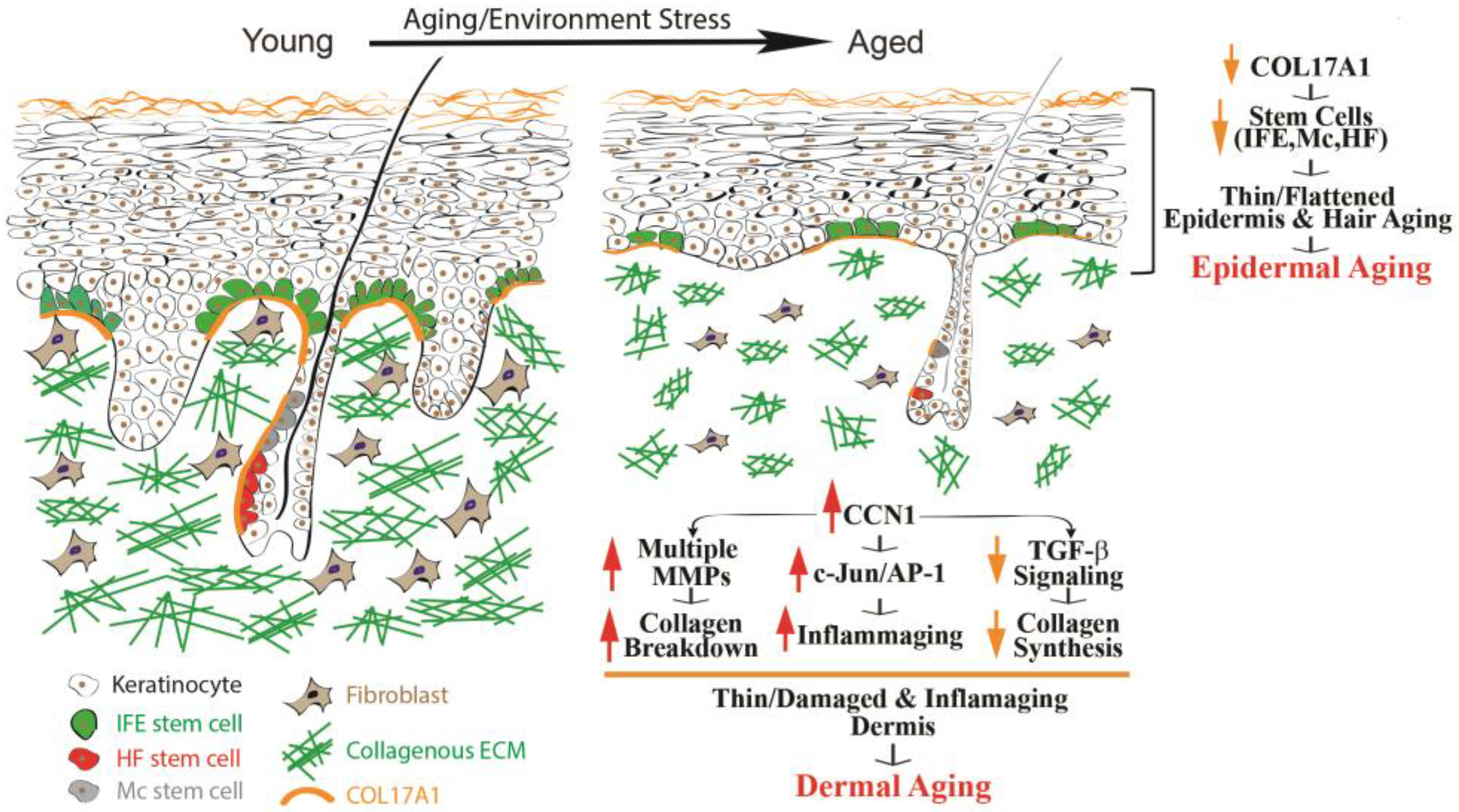
The power of retinol lies in its ability to significantly impact the skin’s aging process. It achieves this primarily by accelerating cellular turnover. This means that retinol encourages the shedding of older, damaged skin cells, revealing fresher, healthier cells beneath. This process helps to reduce the appearance of fine lines and wrinkles, leading to a smoother, more even skin texture. Remember, however, that consistency is key; seeing noticeable results takes time and regular application. Don’t expect overnight miracles – retinol works gradually, building collagen over time for lasting anti-aging benefits. The process isn’t without potential side effects; it’s important to start with a low concentration to minimize irritation and gradually increase as your skin tolerates it.
To fully understand retinol’s anti-aging power, consider these key points:
- Increased Collagen Production: Retinol stimulates collagen production, a crucial protein for maintaining skin firmness and elasticity. Reduced collagen is a major contributor to wrinkles and sagging skin.
- Improved Skin Tone: By speeding up cell turnover, retinol helps to fade hyperpigmentation (dark spots) and improve overall skin tone, resulting in a more radiant complexion. This is particularly beneficial for individuals concerned with age spots.
- Reduced Pore Size: While it doesn’t magically shrink pores, retinol helps to unclog them, reducing their appearance and improving skin texture. This leads to a smoother, more refined appearance.
- Sun Protection is Crucial: This cannot be overstated. Retinol increases skin sensitivity to the sun, making daily use of a broad-spectrum sunscreen with an SPF of 30 or higher absolutely essential. Failure to do so will negate much of retinol’s benefits and increase your risk of sun damage.
Always remember to consult a dermatologist before starting any new skincare regimen, especially if you have sensitive skin or pre-existing skin conditions. They can help you determine the best concentration and application method for your individual needs and ensure you’re using retinol safely and effectively.
Retinol’s Anti-Aging Benefits
Beyond simply accelerating cell turnover, retinol offers a multitude of anti-aging benefits that contribute to a more youthful complexion. These benefits are rooted in retinol’s ability to influence various aspects of skin health. To fully understand retinol’s power, consider these key advantages:
- Improved Skin Texture: Retinol helps to smooth rough skin texture, reducing the appearance of bumps and unevenness. This is achieved by promoting the production of collagen and elastin, essential proteins that give skin its firmness and suppleness. Always remember to use sunscreen to protect this newly generated skin.
- Reduced Pore Size: While retinol doesn’t shrink pores permanently, it can significantly minimize their appearance by unclogging them and preventing the buildup of excess sebum. This leads to a clearer, more refined complexion. Starting with a low concentration of retinol and gradually increasing it is key to avoid irritation, which can actually enlarge pores.
- Fading of Hyperpigmentation: Retinol encourages the shedding of older skin cells, which often contain excess melanin (the pigment responsible for dark spots). This process can help to fade age spots, sun spots, and other forms of hyperpigmentation, resulting in a more even skin tone. Again, daily sun protection is crucial to prevent new hyperpigmentation from forming.
- Increased Collagen Production: As mentioned, retinol stimulates collagen production. This leads to increased skin firmness, reduced wrinkles and fine lines, and an overall improvement in skin elasticity. Consistent use is essential to see these long-term benefits.
Remember, while retinol offers impressive anti-aging benefits, its effectiveness depends on proper usage. Always start slowly, use a low concentration, and always pair it with a broad-spectrum SPF 30 or higher sunscreen to protect your skin from sun damage.
Retinol’s Anti-Aging Role
Understanding retinol’s anti-aging role requires appreciating its multifaceted impact on the skin. It’s not just about reducing wrinkles; it’s about improving the overall health and appearance of your complexion. Retinol’s primary mechanism is its ability to increase cell turnover. This means it encourages the shedding of older, damaged skin cells, making way for fresh, new cells to surface. This process leads to a visible improvement in several key areas. Think of it as a gentle exfoliation from within, revealing brighter, smoother skin. However, remember that consistent and careful use is crucial to reap the full benefits. A gradual introduction to retinol, starting with low concentrations, is paramount to minimize potential irritation and allow your skin to adapt.
To maximize Retinol’s anti-aging role and minimize any negative effects, consider these points:
- Start slow: Begin with a low concentration (e.g., 0.01% or 0.03%) retinol product and gradually increase the concentration and frequency of use as tolerated by your skin.
- Introduce it gradually: Don’t use retinol every night initially. Start with once or twice a week and increase as your skin adapts. This helps prevent irritation and allows your skin to adjust.
- Use at night: Retinol can increase your skin’s sensitivity to the sun. Therefore, it’s best applied at night.
- Moisturize: Retinol can cause dryness. Using a good moisturizer will help counteract this side effect and maintain skin hydration.
- Always use sunscreen: This is absolutely critical. Daily broad-spectrum SPF 30 or higher is non-negotiable when using retinol, as it protects your skin from sun damage which counteracts retinol’s benefits.
By following these guidelines, you can harness Retinol’s anti-aging role safely and effectively, achieving healthier, more youthful-looking skin.
“`html
| Benefit | Mechanism | Important Considerations |
|---|---|---|
| Reduces wrinkles & improves overall skin appearance | Increased cell turnover; gentle exfoliation from within | Consistent and careful use is crucial. Start with low concentrations. |
| Maximizing Retinol’s Benefits & Minimizing Irritation: | ||
| Starting Dosage | Application Frequency | Other Important Factors |
| Start with a low concentration (e.g., 0.01% or 0.03%) and gradually increase. | Begin with once or twice a week; increase as tolerated. | Use at night to minimize sun sensitivity. |
| Use a good moisturizer to combat dryness. | ||
| Daily broad-spectrum SPF 30 or higher sunscreen is essential. | ||
“`
Retinol’s Anti-Aging Role Explained
Understanding retinol’s role in anti-aging requires appreciating its multifaceted action on the skin. It doesn’t just target wrinkles; it works on a cellular level to improve overall skin health, a critical component of a youthful appearance. Retinol accelerates the skin’s natural cell turnover process. This means that older, damaged skin cells are shed more quickly, making way for fresher, healthier cells to rise to the surface. This leads to a noticeable improvement in several aspects of skin quality, all contributing to a more youthful look. Think of it as a powerful resurfacing agent, gently exfoliating and revealing brighter, smoother skin underneath. This process also helps to improve the appearance of fine lines and wrinkles, minimizing their depth and visibility.
To maximize the benefits and minimize potential irritation, remember these key points:
- Start slow: Begin with a low concentration of retinol and gradually increase as your skin tolerates it. This allows your skin to adjust and reduces the risk of irritation or dryness.
- Introduce gradually: Don’t use retinol every night initially. Start with once or twice a week and gradually increase frequency as tolerated.
- Hydration is key: Retinol can cause dryness, so ensure you’re using a good moisturizer, preferably one formulated for sensitive skin.
- Sun protection is paramount: Always apply a broad-spectrum sunscreen with an SPF of 30 or higher daily, even on cloudy days. This prevents sun damage, which can counteract the benefits of retinol and lead to premature aging. This is absolutely crucial for safe and effective retinol use.
The role of retinol in anti-aging skin care Conclusion
In conclusion, understanding the role of retinol in anti-aging skin care is paramount for anyone seeking to improve their complexion and combat the visible signs of aging. Retinol’s potent ability to accelerate cell turnover provides a multifaceted approach to anti-aging, addressing concerns such as fine lines, wrinkles, uneven skin tone, and enlarged pores. However, remember that retinol’s effectiveness hinges on its proper and careful use.
We’ve explored retinol’s mechanisms of action, highlighting its impact on collagen production, skin texture, and hyperpigmentation. The benefits are undeniable, but achieving optimal results requires a mindful approach. Starting with a low concentration, gradually increasing usage, and consistently applying broad-spectrum sunscreen with an SPF of 30 or higher are not optional – they are essential for safe and effective results. Neglecting sun protection will undo much of retinol’s hard work, leading to potential sun damage that counteracts the positive effects.
Remember these key takeaways:
- Start low and go slow: Introduce retinol gradually to minimize irritation and allow your skin to adapt.
- Sun protection is non-negotiable: Daily use of broad-spectrum SPF 30 or higher is crucial to protect your skin from sun damage.
- Consistency is key: Regular use of retinol is vital to see long-term anti-aging benefits. It’s a marathon, not a sprint.
- Listen to your skin: Pay attention to how your skin reacts and adjust your routine accordingly. If irritation occurs, reduce frequency or concentration.
- Consult a professional: If you have any concerns or pre-existing skin conditions, consult a dermatologist before incorporating retinol into your skincare routine.
By understanding and following these guidelines, you can effectively harness the role of retinol in anti-aging skin care and achieve a healthier, more youthful complexion. Remember, patience and consistency are key to unlocking retinol’s full anti-aging potential. Embrace the process, and enjoy the journey to healthier, more radiant skin!
The role of retinol in anti-aging skin care Quick FAQ
What are the key benefits of using retinol for anti-aging?
Retinol offers a multitude of anti-aging benefits. Primarily, it accelerates skin cell turnover, reducing the appearance of fine lines and wrinkles. It also improves skin tone by fading hyperpigmentation (dark spots), refines skin texture by unclogging pores, and boosts collagen production, leading to increased skin firmness and elasticity. These combined effects contribute to a more youthful and radiant complexion.
How should I start using retinol to minimize irritation?
It’s crucial to introduce retinol gradually. Begin with a low concentration (e.g., 0.01% or 0.03%), applying it only once or twice a week initially. Increase the frequency and concentration gradually as your skin tolerates it. Always use a moisturizer to counteract potential dryness, and remember that daily use of a broad-spectrum sunscreen with SPF 30 or higher is absolutely essential to protect your skin from sun damage.
How long does it take to see results from using retinol?
Results vary depending on individual skin types and the concentration of retinol used. You may start to notice subtle improvements in skin texture and tone within a few weeks, but significant reductions in wrinkles and hyperpigmentation typically take several months of consistent use. Patience and persistence are key to seeing the full anti-aging benefits of retinol.